Classic Cars
Classic and modern-classic cars, from 1950s British roadsters to 2000s sports cars. Each car is a single vehicle, described in detail with condition grades and registration papers.
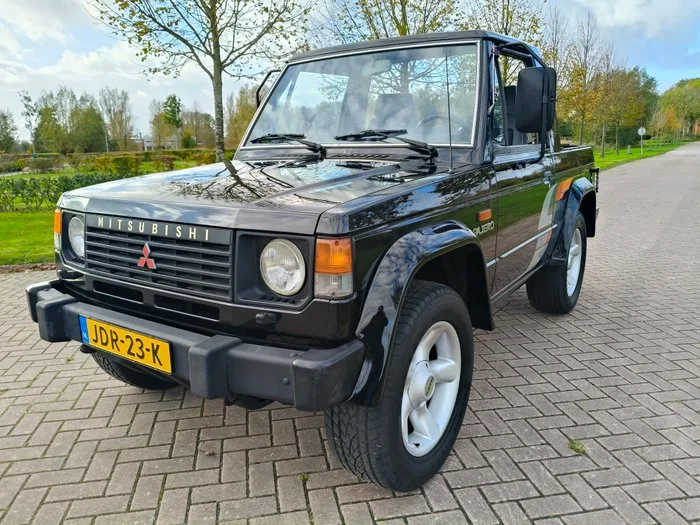
Mitsubishi - Pajero 2.6 Canvas Top - 1987
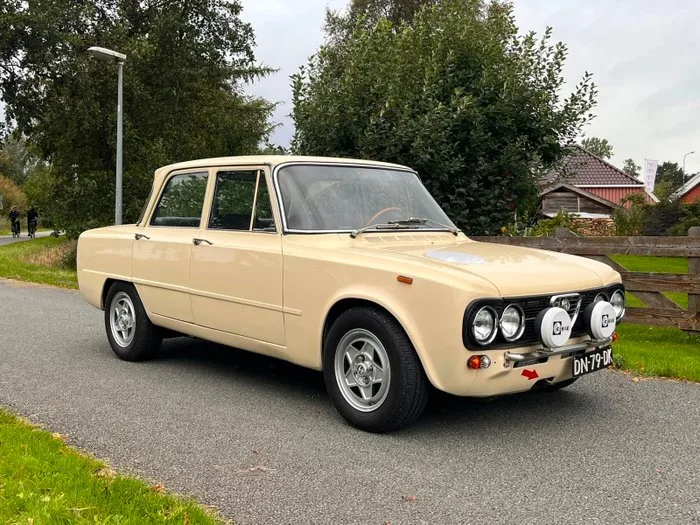
Alfa Romeo - Giulia Nuova 1600 (2.0 engine) - 1979

Pontiac - TRANS AM TA 6.6 - 1979

Mini - Cooper S LE Limited - 20.500 Km - 1999

MG - B - 1976
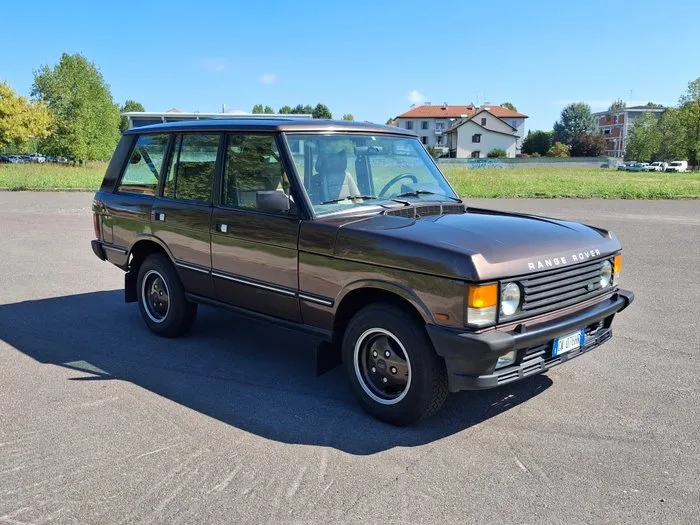
Land Rover - Range Rover 3.9 Vogue SE - 1990
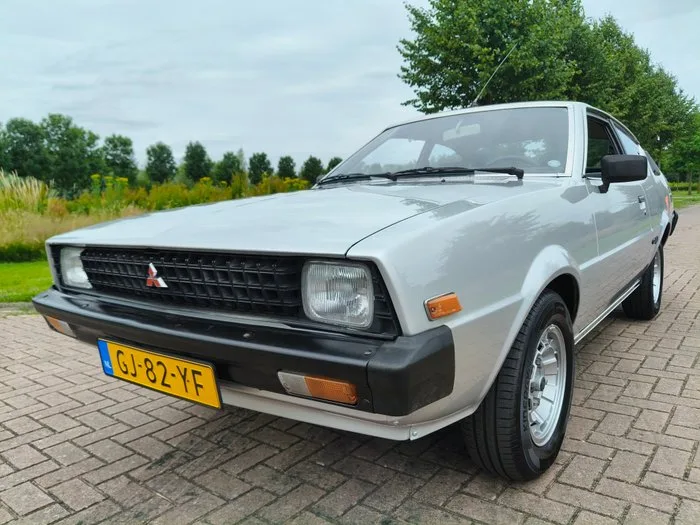
Mitsubishi - Celeste 1.6 ST - 1981
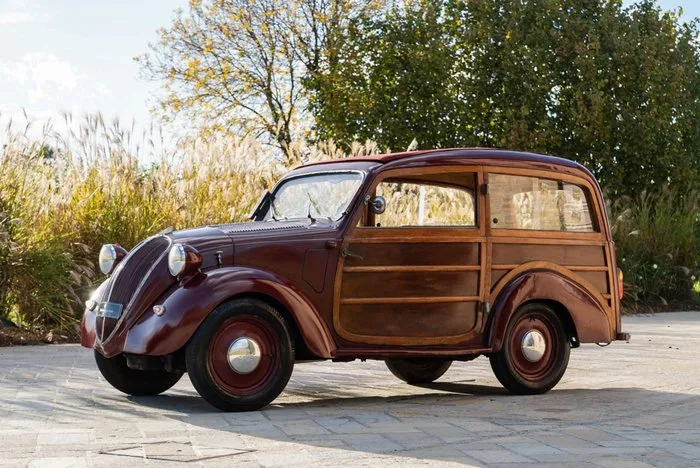
Fiat - 500 A “Topolino” Giardiniera - 1949
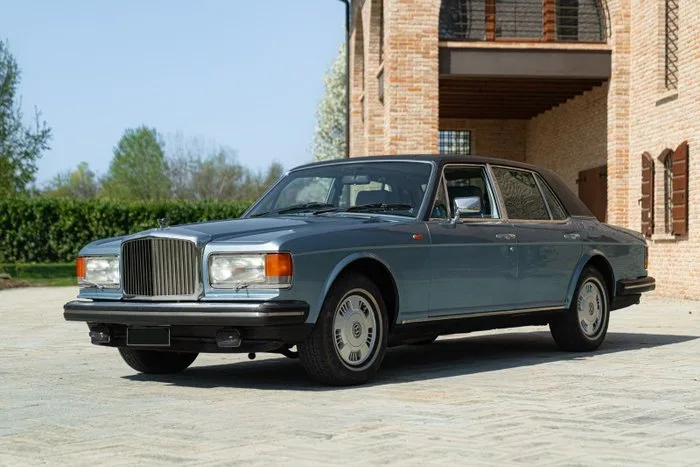
Bentley - Mulsanne RHD - 1980
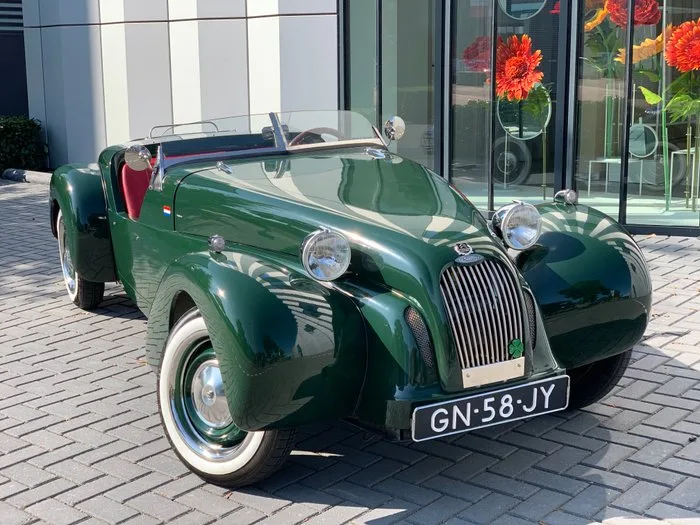
Citroën - Burton Roadster - 1981
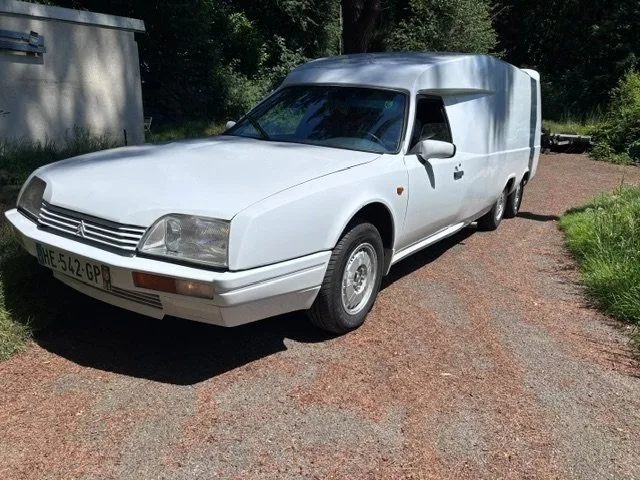
Citroën - CX Tissier - 1987
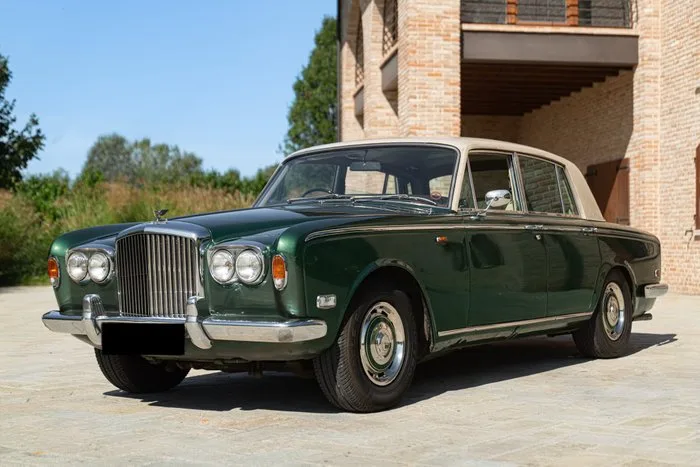
Bentley - T1 - 1973
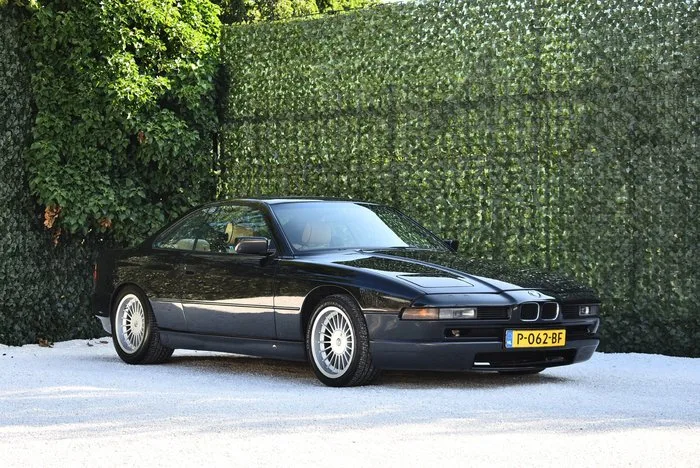
BMW - 850i 'CSI Package' - 1992
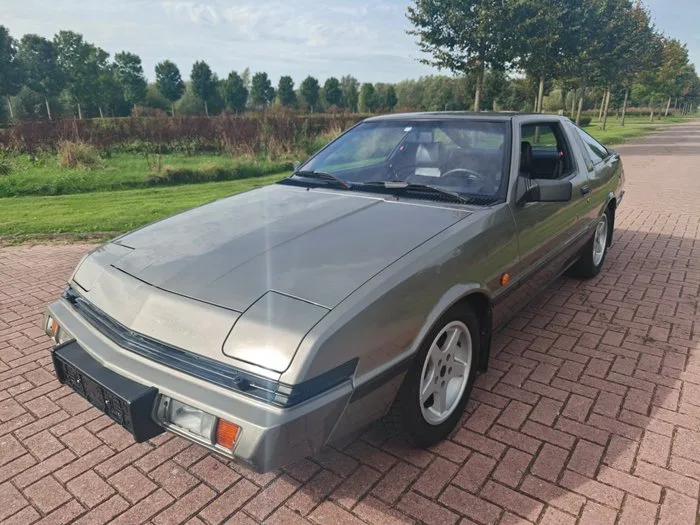
Mitsubishi - Starion 2.0 EX - 1986
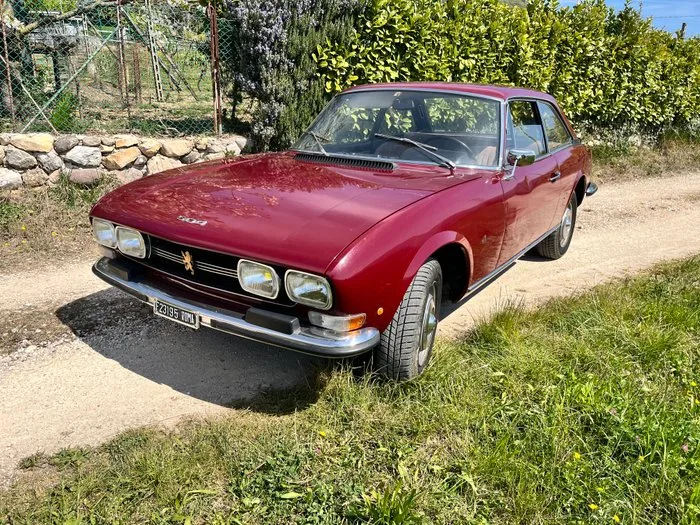
Peugeot - 504 Coupé - 1970

Land Rover - 109 serie 2a - 1964
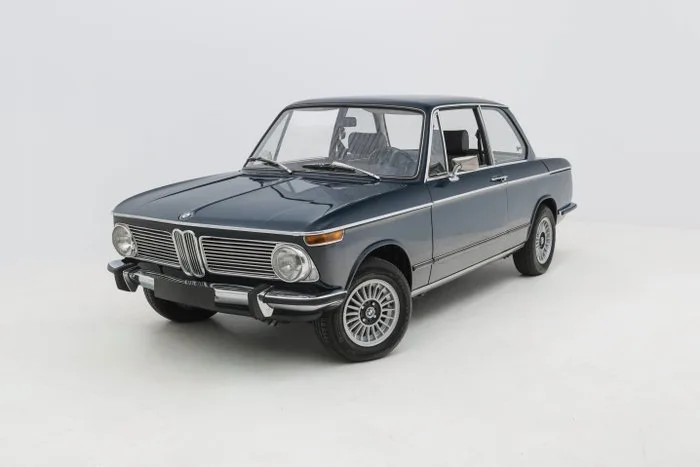
BMW - 1602 - 1971
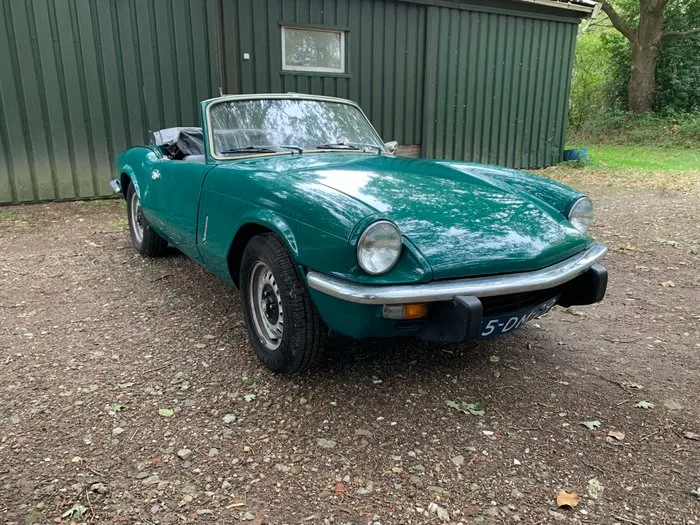
Triumph - Spitfire MK4 - 1974
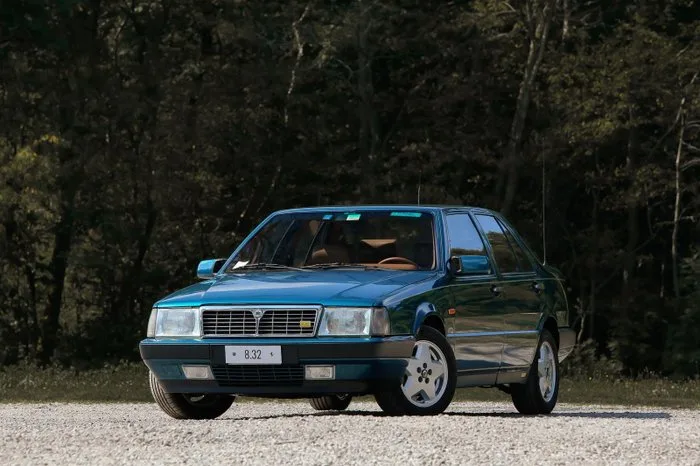
Lancia - Thema Ferrari 8.32 - 1987
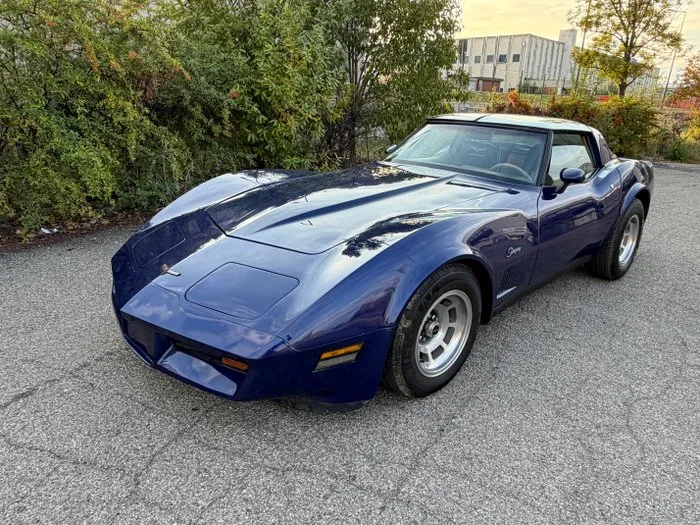
Chevrolet - Corvette C3 Stingray 5.7 V8 Targa - 1981
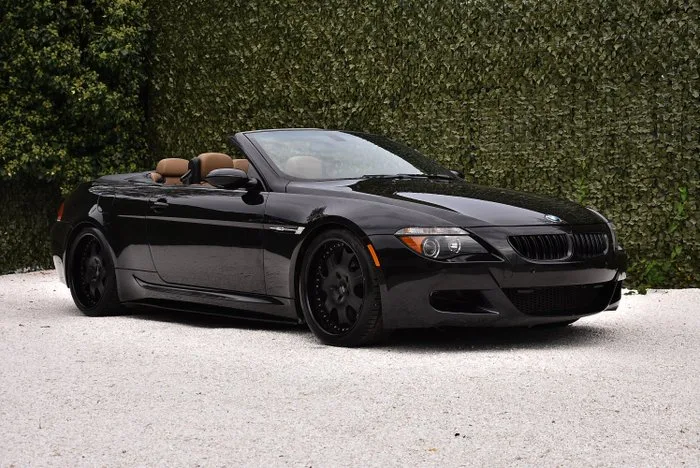
BMW - M6 Convertible - 2007
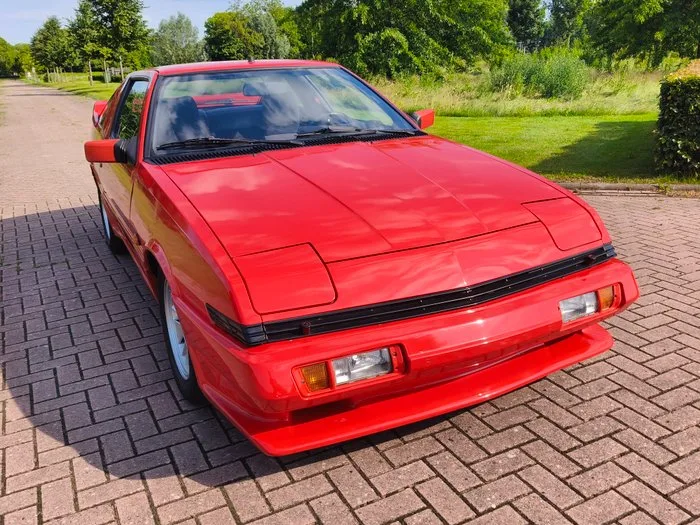
Mitsubishi - Starion 2.0 EX - 1986
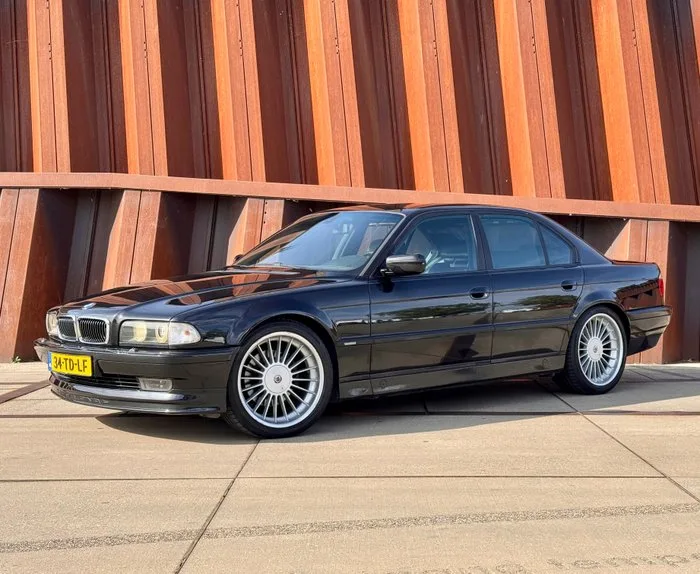
BMW ALPINA - B12 - 5.7 V12 - 1 of 143 - SWB - 1997
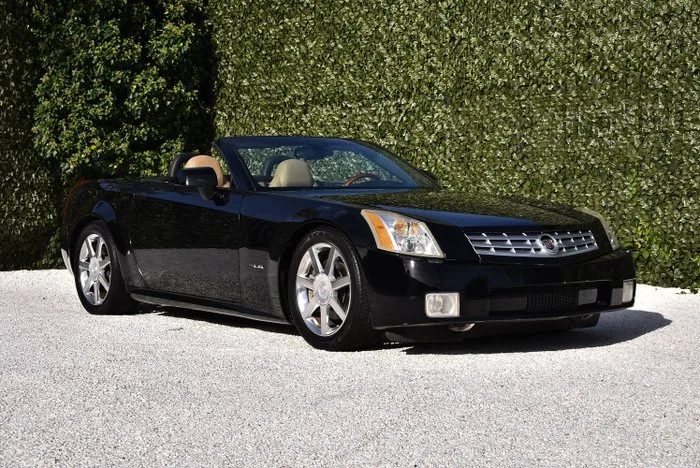
Cadillac - XLR Convertible - 2007
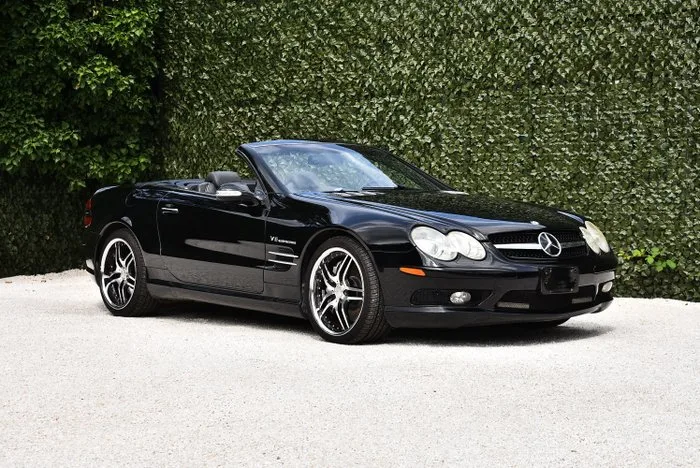
Mercedes-Benz - SL55 AMG - Glass Sunroof - 2003
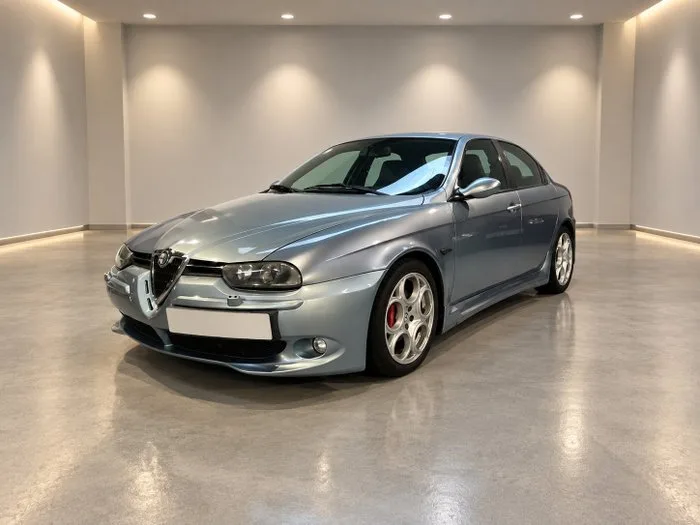
Alfa Romeo - 156 GTA - 2005
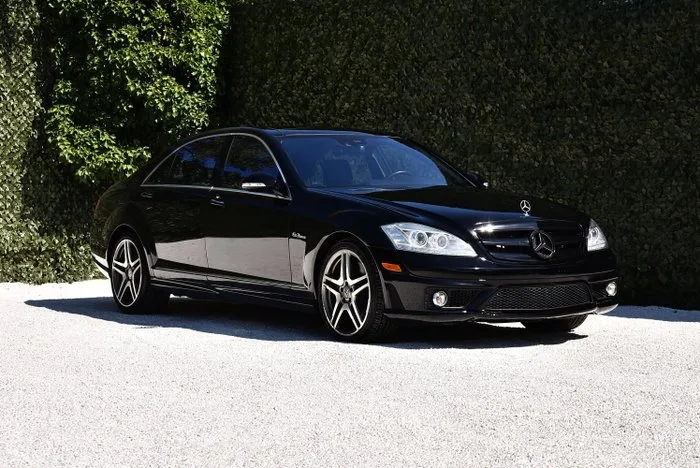
Mercedes-Benz - S63 AMG "Sunroof" Sedan 6,3L V8 - 2008
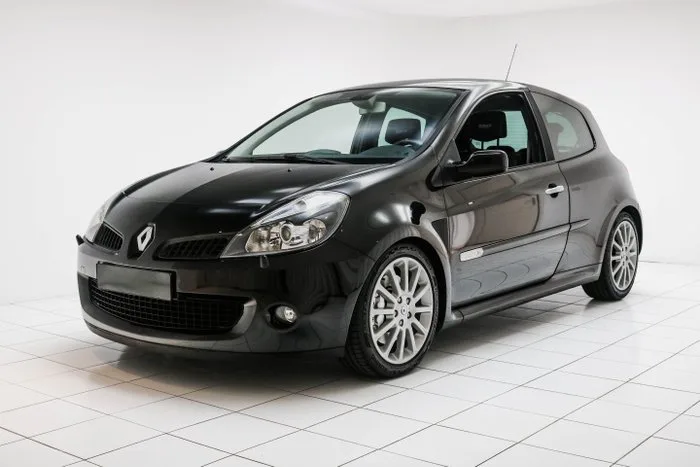
Renault - Clio 2.0-16V 3 RS 197 - 2007
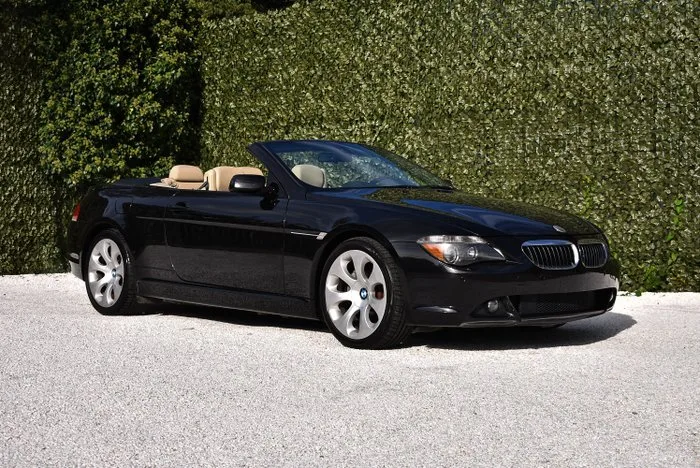
BMW - 645CI Convertible - 2005
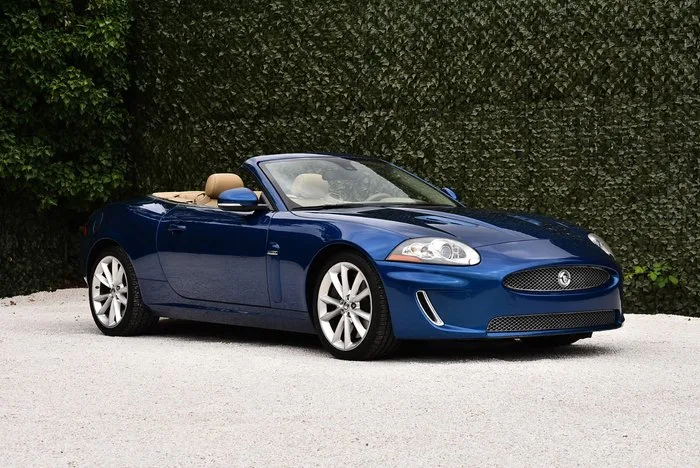
Jaguar - XKR Convertible - 2010

BMW - M3 Cabrio - 2003
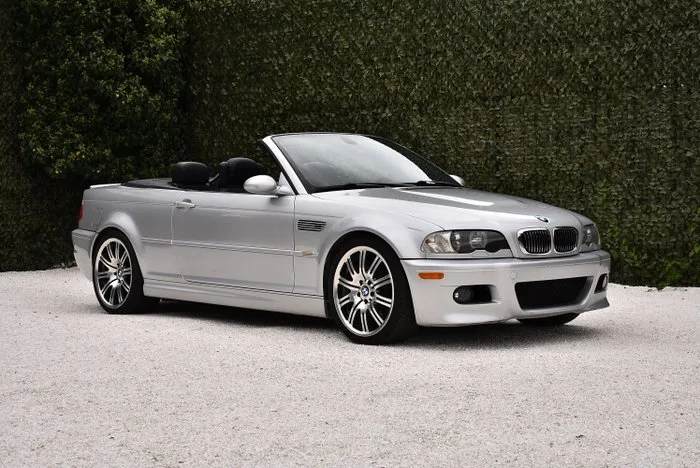
BMW - M3 Convertible - Manual - 2002
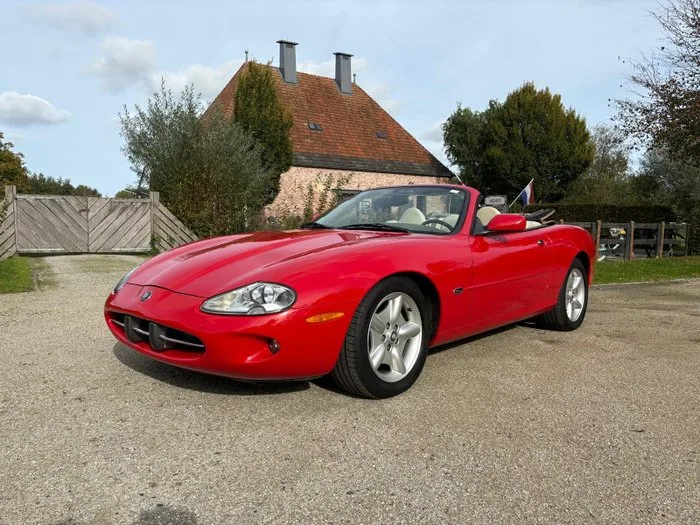
Jaguar - XK8 - 1999

BMW - Z3 2.0 - Widebody - 2000
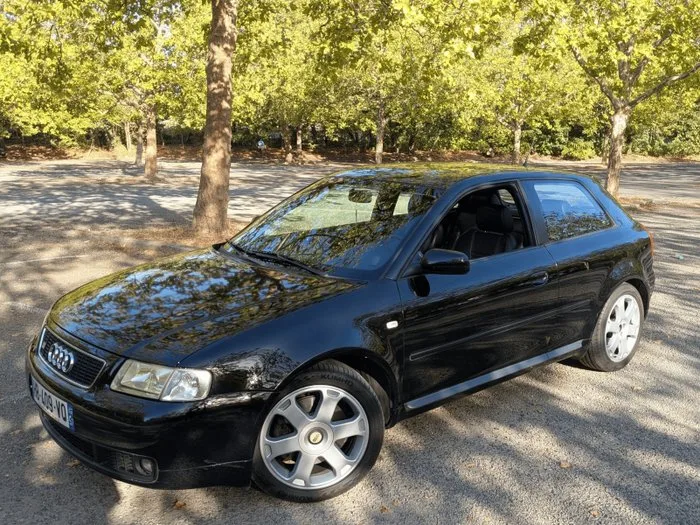
Audi - S3 - 2000

Porsche - Boxster 987 Design Edition 2 - 2008

Corvette - C6 - 2007
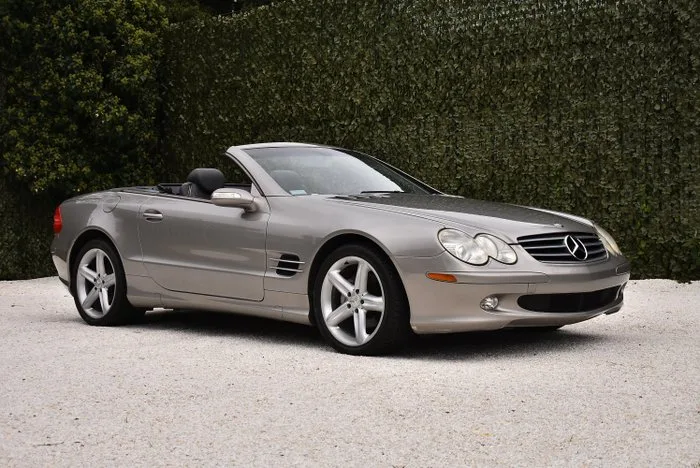
Mercedes-Benz - SL500 - 2004
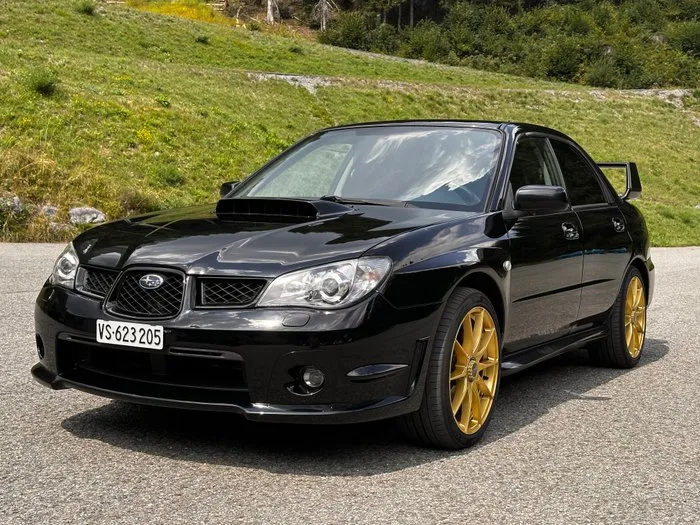
Subaru - Impreza WRX - ex ALAIN PROST - 2006
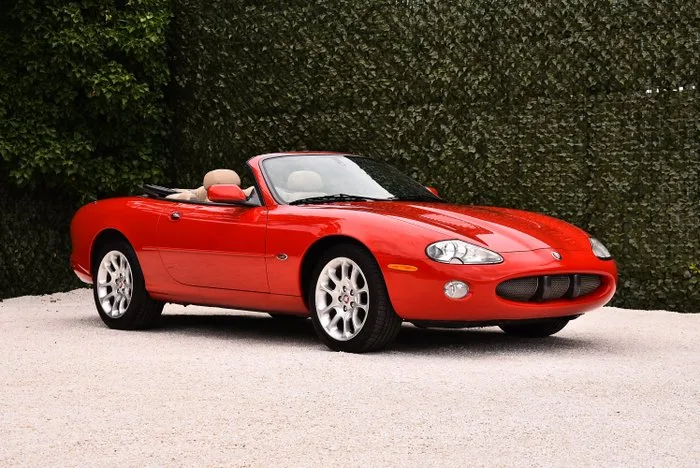
Jaguar - XKR Convertible - 2001
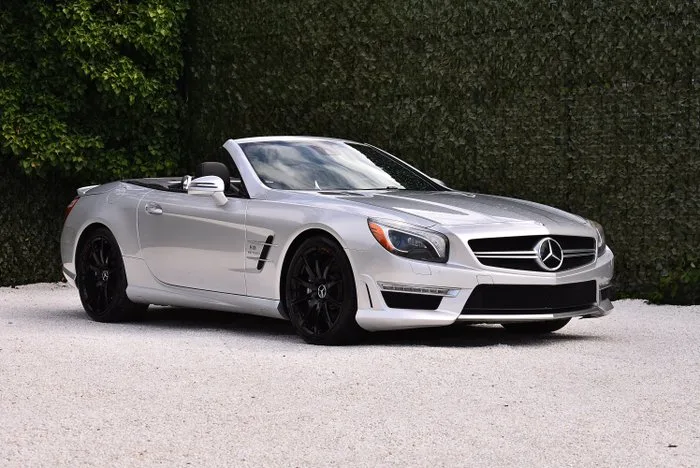
Mercedes-Benz - SL63 AMG - Glass Sunroof - 2013
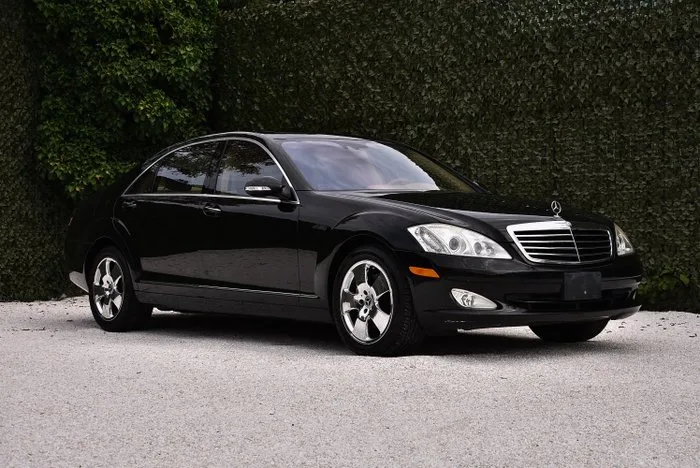
Mercedes-Benz - S550 - AMG Sport - 2008
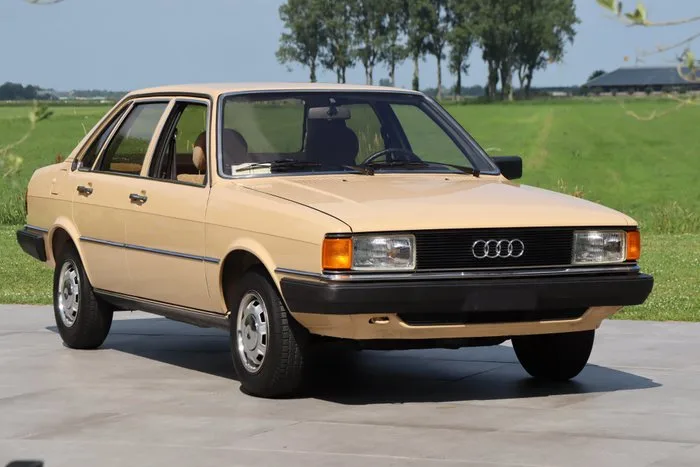
Audi - 80 GLS - 8.484 Km only - 1979
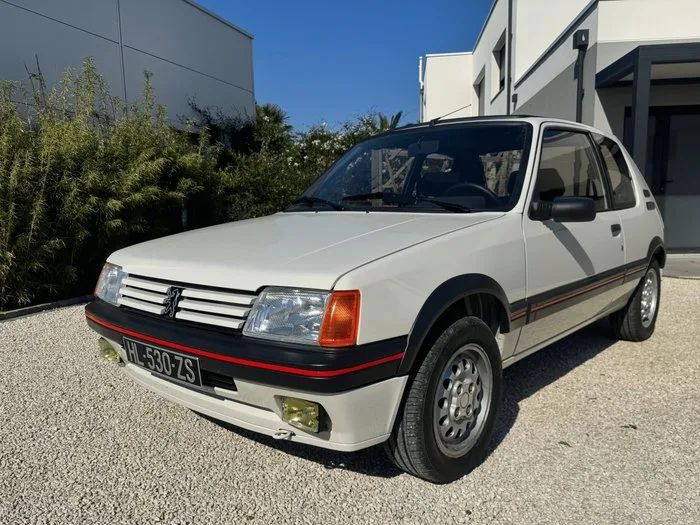
Peugeot - 205 GTI - 1987
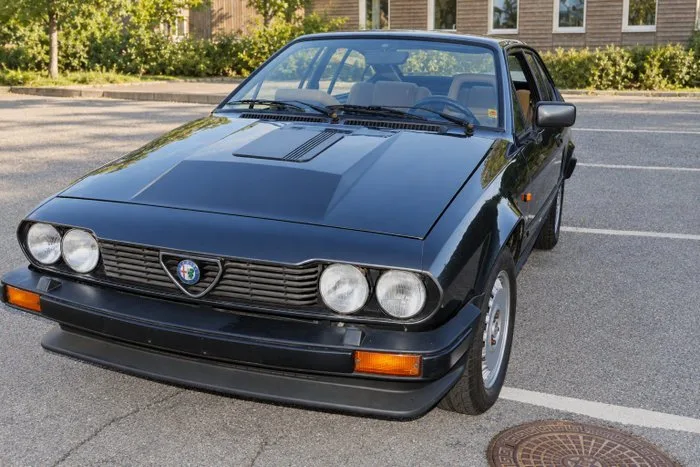
Alfa Romeo - GTV 2.5 - 1983
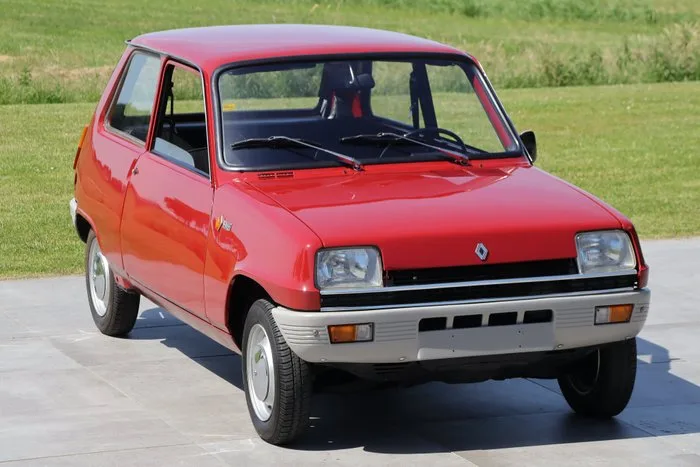
Renault - 5 L - 1973
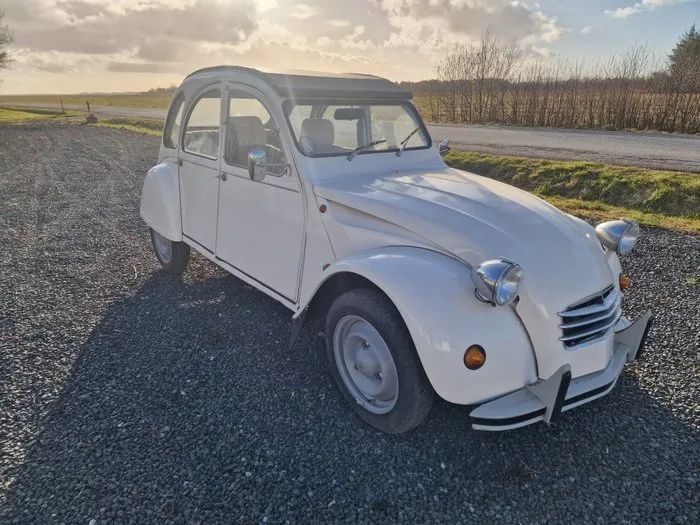
Citroën - 2CV6 Spécial - 1985
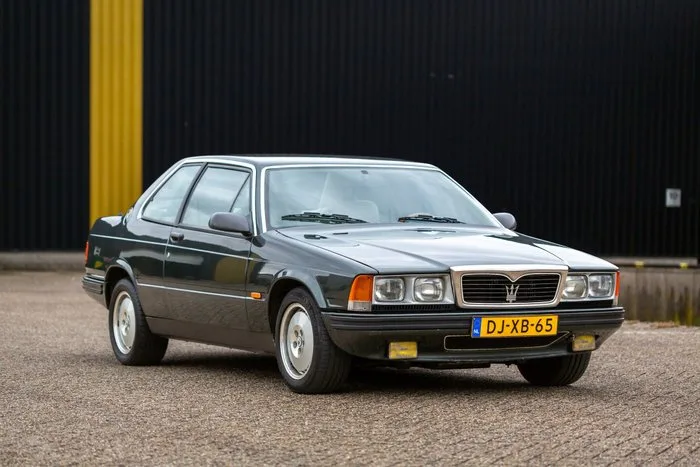
Maserati - 228 Biturbo - 1992
What you will find here
The range covers European and Japanese classics from the 1950s to the 2000s: Mercedes-Benz saloons such as the W108 and W123, Porsche 911 and 996, Ferrari 360 and F430, Alfa Romeo Spiders and GTVs, MG A and MGB roadsters, Citroën DS and CX, Datsun 240Z, Fiat and Land Rover, plus the occasional American car. Most cars are between EUR 24,000 and EUR 140,000 with entry classics from around EUR 13,000.
How condition is described
Each car is graded in five areas, so you can see where work may be needed:
- Overall: excellent, very good, good or fine.
- Mechanical: from excellent (no work to be done) to good (may require maintenance and repair).
- Paint & body: chips, scratches, dents and any panels needing work.
- Interior: wear, missing or broken parts, tears and stains.
- Frame & underbody: structure and any surface rust.
Papers and registration
Registration papers show the country the car is currently registered in, most often Italy, the Netherlands, Spain, the US, France or Germany. CoC present tells you whether a Certificate of Conformity is included, which can make registering a car in another EU country simpler. Rules differ by country, so check with your local registration authority before you buy.
Delivery
Cars cannot travel as a parcel. The product page shows the date the car is ready for delivery, and transport is arranged with you individually once your order is placed. If you have questions about a specific car, contact us before ordering.
Before you buy
Read all five condition grades, look closely at photos of sills, wheel arches and the underbody, and ask a specialist about import duties, taxes and roadworthiness testing in your country.
Frequently asked questions
How is a classic car delivered after I order?
Cars cannot be sent as a parcel. Each car's product page shows the date it is ready for delivery, and once your order is placed, transport is arranged with you individually, including timing and the delivery address. If you have questions about delivery for a particular car, contact us before ordering so the details are clear from the start.
What is a Certificate of Conformity (CoC)?
A Certificate of Conformity is a document from the manufacturer confirming that a vehicle meets EU type-approval standards. It can simplify registering a car in another EU country. Many classic cars were built before CoCs existed, so the absence of one is common and does not mean a car cannot be registered, though the process may involve an individual inspection.
Can I register a car bought from another EU country?
Generally yes. Within the EU, a car with valid registration papers from one member state can be re-registered in another, usually after a roadworthiness inspection and payment of any local registration tax. Requirements and costs differ by country, and older cars may qualify for historic vehicle status. Check with your national vehicle registration authority for the exact steps.
What does 'very good' mechanical condition mean?
In the mechanical grade, very good means the car is mechanically sound but may require a minor service. Excellent means no work is needed and there are no leaks. Good means mechanically sound but likely to need some maintenance or repair. The grade is a general description, so a pre-purchase inspection by a marque specialist is always sensible.